

20 May 2026
CMIL Africa Strengthens Regional Collaboration on Climate Mobility and Early Warning at GHACOF 73
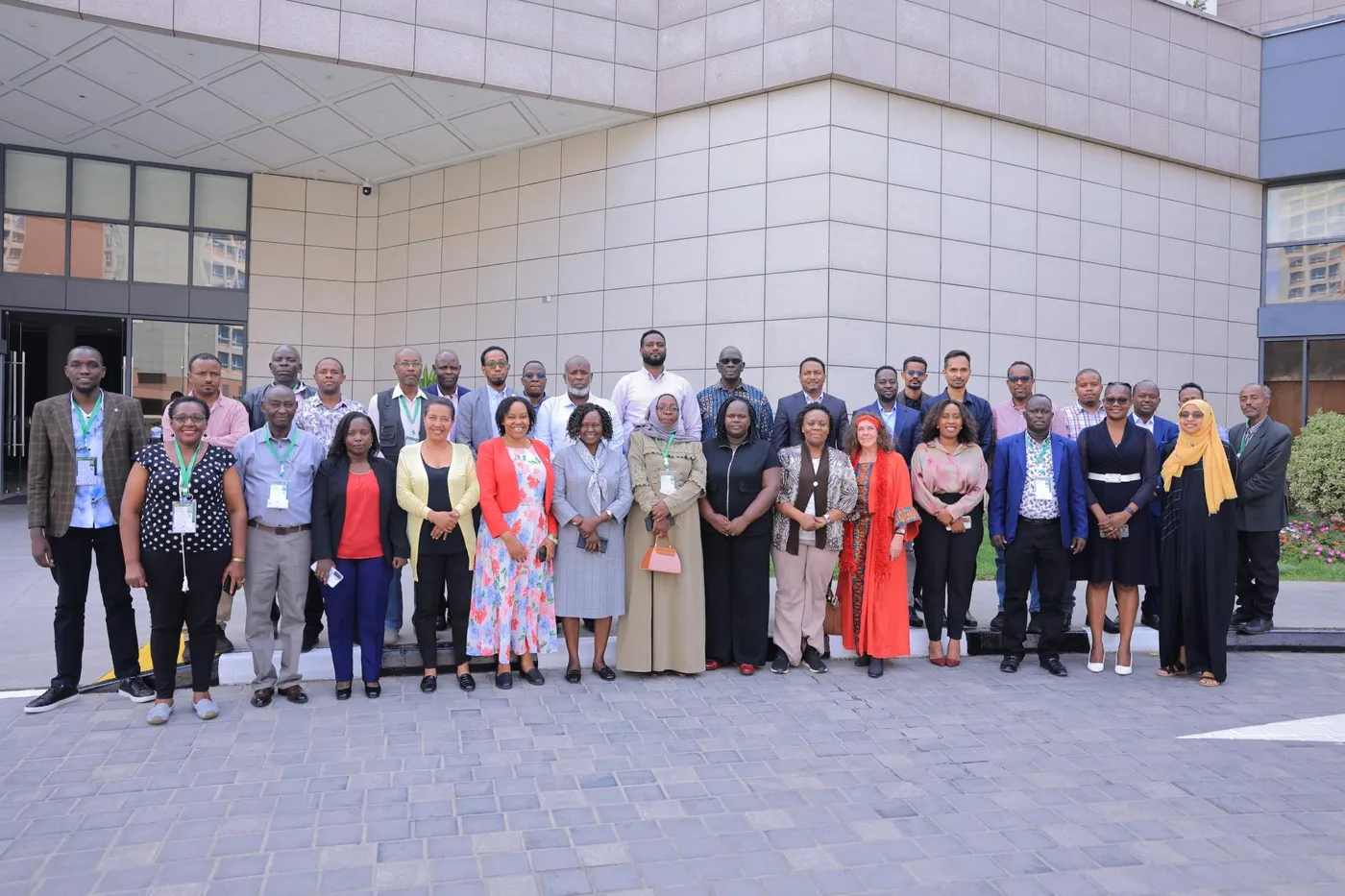
The Climate Mobility Innovation Lab (CMIL) Africa participated in the 73rd Greater Horn of Africa Climate Outlook Forum and the accompanying MODIAC-CRAFD technical side event, convened by the IGAD Climate Prediction and Applications Centre (ICPAC) in Addis Ababa from 18 to 20 May 2026. The forum brought together regional climate experts, government representatives, humanitarian actors, and development partners to review seasonal climate forecasts and strengthen collective action ahead of the June to September rainy season.
Under the theme “Climate Services for Resilience and Sustainable Development,” GHACOF 73 emphasized the growing importance of climate-informed decision-making, early warning systems, and anticipatory action in addressing climate-related risks across the Greater Horn of Africa. The event gave CMIL Africa a strategic platform to advance regional dialogue on climate mobility, displacement risk, and integrating human mobility considerations into climate services.
Bringing Climate Mobility into Regional Discussions
As climate hazards continue to intensify across the region, forum discussions underscored the need to move beyond hazard forecasting toward a more comprehensive understanding of risk that incorporates exposure, vulnerability, and human mobility. A key theme emerging from the discussions was the growing recognition that displacement risk remains insufficiently integrated into existing regional early warning systems. Participants emphasised that climate information services become more actionable when combined with data and analytics that help explain who is at risk, where impacts are likely to occur, and how populations may respond.
Building Partnerships Across the Greater Horn of Africa
GHACOF 73 also provided valuable opportunities for CMIL Africa to strengthen partnerships with regional institutions, national governments, academic organisations, and technical experts working at the intersection of climate science, disaster risk reduction, and resilience.
The team engaged with senior IGAD leadership, ICPAC representatives, disaster management authorities, meteorological agencies, and researchers from across the region. Many of these exchanges focused on opportunities to integrate climate mobility considerations into national and regional planning processes. Particular interest was expressed in the application of the Risk Index for Climate Displacement (RICD) and other analytical tools that support evidence-based decision-making on climate adaptation, disaster preparedness, and anticipatory action.
These engagements helped identify potential pathways for future collaboration across the IGAD region while reinforcing growing demand for analytical approaches that bridge climate science, disaster risk reduction, and human mobility. Stakeholders from several countries expressed interest in exploring the application of RICD and related methodologies to strengthen national planning processes, anticipatory action frameworks, and climate adaptation strategies. This growing interest reflects an increasing recognition of climate mobility analytics as an essential component of risk-informed decision-making and resilience planning across the region.
Looking Ahead
GHACOF 73 demonstrated growing regional momentum toward climate services that are increasingly risk-informed, impact-oriented, and action-focused. As climate change continues to influence mobility patterns across the Greater Horn of Africa, integrating displacement risk into early warning systems will be critical to ensuring that climate information translates into timely and effective action.
CMIL Africa's participation strengthened its position as a regional partner in advancing climate mobility analytics and provided opportunities to deepen collaboration, promote the application of the Risk Index for Climate Displacement, and support the development of more integrated climate-risk information systems across the IGAD region.
By connecting climate science with human mobility evidence, CMIL Africa continues to support governments and partners in anticipating, preparing for, and responding more effectively to climate-related displacement risks.